

Session Descriptions and Speaker Bios
Pre-Conference Session: Re-Strategizing the Strategist's Role in a World of AI
This 90-minute interactive session will give strategists of all levels the opportunity to explore, recognize and strategize how their current roles may evolve with the use of AI. Using a Strategic Foresight framework, participants will examine shifts in industry and technology, challenge existing conceptions of the strategist’s role, and explore career scenario planning to better prepare for multiple possible futures. Through interactive discussion, personal career design and a “live lab” using an AI tool, participants will consider what will change, what will be new, what strategists will be held accountable for, and why their role is imperative to ensuring AI is successful. Participants will leave with a broader understanding of industry and role changes, insights from their peers, and practical tools and techniques to continue designing and managing their own careers as AI reshapes how strategists think, work and lead.

Liz Vogel, Founder, The Byrnes Group
Liz Vogel is the founder of The Byrnes Group and an organizational development strategist and futurist with four decades of experience helping senior leaders and organizations navigate change, growth, and reinvention. Her career spans healthcare, technology, global business, and public service, including serving as CEO of a state regional healthcare organizationand Senior Director of Organizational Development at Moffitt Cancer Center. Liz has led enterprise transformation, healthcare product development, executive strategic foresight, and culture-change initiatives, including introduction of global technologies. She brings a distinctive perspective to the evolving role of the strategist—connecting emerging technologies with the human judgment, organizational readiness, and change leadership required to use them well. Liz holds a master’s degree in counseling and psychology, is certified in strategic foresight, with a focus on adult development and reinvention.
Healthcare Reimagined: Leading What’s Next
Healthcare is entering a new era—one shaped by rapid innovation, emerging technologies and new expectations from patients and communities. Rasu Shrestha, MD, MBA, will explore how healthcare leaders can move beyond responding to change and take an active role in shaping what comes next.
Drawing on nearly 30 years of experience across strategy, innovation, technology, investment and commercialization, Dr. Shrestha will share how health systems can turn bold ideas into meaningful solutions. Attendees will gain insights into building strategic partnerships, accelerating innovation and creating a culture that brings new discoveries to life—ultimately improving care for patients and communities.
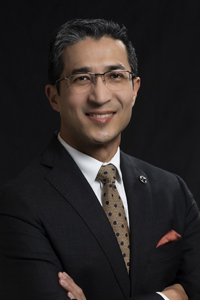
Rasu B. Shrestha, MD, MBA
Enterprise Executive Vice President & Chief Innovation and Commercialization Officer, Advocate Health
Dr. Shrestha is responsible for Advocate Health’s enterprise innovation and new ventures portfolio, including strategic industry partnerships, its Innovation Districts, and its strategic investment fund. He also spearheads a renewed focus on commercialization, launching new healthcare inventions, discoveries and ideas to benefit all patients and communities.
Dr. Shrestha has nearly 30 years of industry experience as a transformative physician leader experienced in delivering results across strategy, innovation, health information technology, marketing, communications, strategic investments and commercialization. He joined Atrium Health in January 2019 as EVP and Chief Strategy and Transformation Officer, leading the strategic transformation of the organization and was charged with the creation and implementation of IMPACT 2025. Dr. Shrestha was previously with UPMC where he led the payor-provider organization’s innovation and strategy, and helped build the industry’s largest and most successful health system innovation, commercialization and venture engine. Dr. Shrestha also serves on the Boards of a number of transformative companies.
The Last Mile: Closing the Gap Between Strategy and Execution
Why do some strategies deliver measurable results while others stall before reaching the finish line? This panel will examine the critical "last mile" between strategic planning and operational execution—and the habits, structures and decisions that help organizations close the gap.
Drawing on perspectives from operations, strategic planning and ambulatory strategy, panelists will explore what it takes to execute effectively in a competitive market; how leaders can evaluate initiatives that outperform or underdeliver against their projections; and how data can guide decisions around ambulatory growth, access and service-line performance. Through real-world examples, the discussion will challenge attendees to distinguish between a flawed premise, an execution gap and a changing market—and determine when to stay the course, recalibrate or stop.

Lynda Barrett, MBA, Chief Governance and Vice President of Strategic Planning, Emory Healthcare
Lynda Barrett has over thirty years of experience in the healthcare industry, with over twenty-five years in strategic planning. She joined Emory Healthcare in 2008. Lynda was appointed Chief of Governance for Emory Healthcare in 2023. In this role, she oversees the effective coordination and management of the Emory Healthcare, Inc. Board of Directors.
Lynda received her MBA from Washington University of St. Louis and BS in Finance from Florida State University. Lynda currently serves on the Board of the Southeast Society for Healthcare Strategy and Market Development.
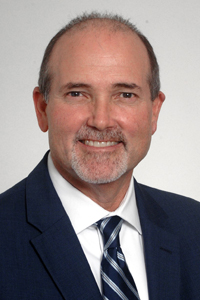
David Cato, PT, MBA, Vice President, Chief of Operations, Florida Market, Cleveland Clinic
David Cato has been serving as the Chief of Operations for the Cleveland Clinic Florida Market since August 2021. In this role, he oversees the planning, direction, and efficient operations of the Cleveland Clinic Florida Market. David works collaboratively with the health system team to achieve financial, operational, quality and safety, and strategic goals. Prior to joining Cleveland Clinic Florida, David spent fifteen years at Lee Health based in Fort Myers, FL and was most recently their Chief Officer Outpatient and Hospital Operations & Post-Acute Care, and prior to Lee Health spent more than eight years in the Shands health care system at the University of Florida. David has served in many executive, administrative and clinical roles throughout his career.
David has facilitated teams to establish new sites of care across the continuum of healthcare to enhance access to quality care to the communities served. David has more than 25 years of experience in enhancing patient care, access, strategic growth, and operational efficiency. David holds a degree in physical therapy and an MBA from the University of Florida. Additionally, he is actively involved in community service, with his continued commitment on the state of Florida Special Olympics Board of Directors, and Clinical Director for the Special Olympics’ state events.
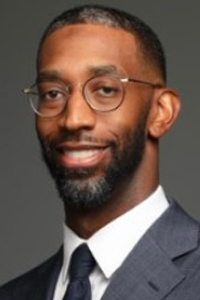
Jonathan Waller, MHSA, Vice President of Strategy, University of Florida Health System
Jonathan Waller is Vice President of Strategy at UF Health, a nearly $7 billion integrated academic health system serving communities across Florida. He leads enterprise strategy, growth, business development, and market planning across the clinical enterprise.
Previously, Jonathan held strategy roles at Children’s Hospital Colorado, Deloitte, and The Chartis Group, advising healthcare organizations on growth, transformation, and long-term strategic direction.
He also serves as a Staff Lecturer at the University of Minnesota School of Public Health and as National Parliamentarian for the National Association of Health Services Executives. Jonathan is committed to advancing health system strategy while developing the next generation of healthcare leaders.
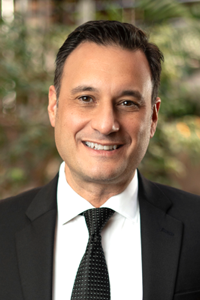
Chriss Papayannis, MBA, Vice President Advisory, Realty Trust Group
Chriss Papayannis is a healthcare real estate executive who has spent his career at the intersection of strategy and execution. Before joining Realty Trust Group, he led real estate for Cleveland Clinic's Florida market — including a period of interim enterprise leadership — and built WellSpan Health's first centralized corporate real estate function.
His work spans capital planning, ambulatory development, portfolio strategy, and nine-figure transaction structures, giving him a firsthand view of why sound strategies stall and what it takes to carry them through approval, funding, and delivery.
Chriss serves on the SESHSMD Education Committee and advises health systems across the Southeast on enterprise real estate and capital decisions.
Road to Nowhere? Health Care Reform after the 2026 Elections
What will the 2026 elections mean for the future of U.S. health care policy? This session will examine the evolving political and policy landscape, what the election results could mean for health care reform, and the implications for health systems navigating an increasingly complex environment.
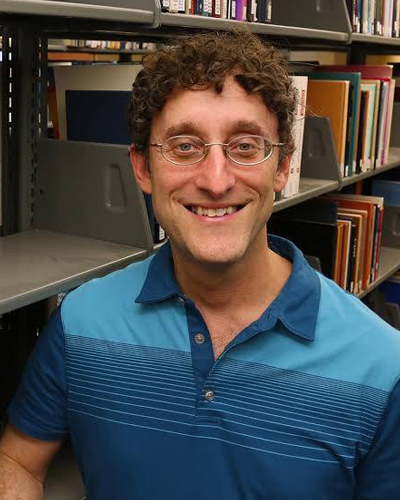
Jonathan Oberlander, PhD, Professor of Social Medicine and Health Policy & Management, University of North Carolina at Chapel Hill
Jonathan Oberlander is professor of Social Medicine in the School of Medicine and professor of Health Policy & Management in the Gillings School of Global Public Health at the University of North Carolina at Chapel Hill.
Dr. Oberlander’s research and teaching interests include health care politics and policy, health care reform, Medicare, and American politics and public policy.
Oberlander speaks regularly on US health care, trying to translate the complexity and technical detail of health policy into something more understandable and accessible. He has commented on health care politics for a number of media outlets, including the New York Times, Washington Post, Wall Street Journal, National Public Radio, the BBC, CBS News, and PBS.
Oberlander holds a Ph.D. and M.A. in political science from Yale University, and a B.A. in political science from the University of North Carolina-Chapel Hill.
Community Partnerships Panel
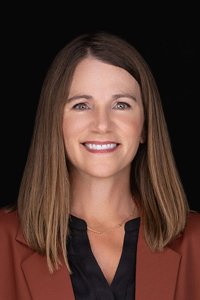
Tiffany DiTullio, Vice President, Partner & Community Relations, Salinas Valley Health
Tiffany DiTullio is a seasoned executive and community leader with more than two decades of experience spanning healthcare, nonprofit leadership, business development, community engagement, philanthropy and organizational strategy. She currently serves as Vice President of Partner & Community Relations at Salinas Valley Health, where she provides executive leadership and strategic oversight across Marketing & Communications, Community Engagement, Community Funding and Grantmaking, Community Well-being and Career Pathways. She leads a cross-functional team of more than 40 employees and oversees an annual budget of approximately $10 million.
Tiffany is particularly recognized for her ability to bring diverse people and organizations together around a shared vision. As Executive Director of Blue Zones Project Monterey County, she led the implementation and certification of a $27 million countywide well-being initiative, successfully achieving countywide certification—the first in California and, at the time, the largest certified community in the United States. Her work centered on building broad based coalitions, engaging community members and organizations, and creating opportunities for collaboration that could accelerate and sustain positive change.
Throughout her career, Tiffany has built and led initiatives focused on improving community well-being and expanding opportunity. At Salinas Valley Health, she has designed and implemented countywide worksite wellness initiatives, cultivated partnerships with major employers, higher education and community organizations, and led high-impact community outreach and engagement efforts. Her work has also included launching the Salinas Valley Health Farmers’ Market and Fresh Produce Rx Program, supporting community health needs assessment efforts, and developing partnerships that connect healthcare, business, education and community organizations.
Prior to joining Salinas Valley Health, Tiffany served as President and Chief Executive Officer of the Salinas Valley Chamber of Commerce, where she provided organizational and fiscal leadership, partnered with the Board of Directors on governance and strategy, led organizational restructuring and operational improvements, and expanded membership and fund development.
Tiffany’s leadership has been recognized through numerous community and professional honors, including the 2023 Spirit of the Community Award from the Salinas Valley Chamber of Commerce, the Leukemia & Lymphoma Society Community Leader Volunteer Impact Award, and multiple leadership and service recognitions from Salinas Valley Health and Salinas Downtown Rotary.
A lifelong advocate for community collaboration and service, Tiffany has held leadership and volunteer roles with organizations including Salinas Downtown Rotary, California Rodeo Salinas, the American Cancer Society Relay for Life, Palma High School, Community Foundation for Monterey County Women’s Fund, Hartnell College Foundation WELI, National Charity League, Leukemia & Lymphoma Society and the Salinas Valley Half Marathon.
Tiffany earned a Bachelor of Science in Business Administration from California State University, Chico. She lives in Salinas with her husband, Reno, and their two children. Outside of her professional and community commitments, she enjoys hiking, running, reading, stand-up paddleboarding and spending time with her family.
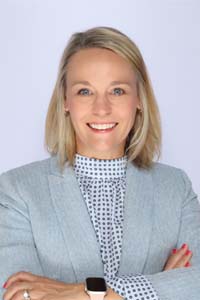
Callie Dobbins, Senior Vice President Women's & Children's Service Line, Advocate Health
Callie Dobbins, RN, MSN, NEA-BC is the Enterprise Children’s Clinical Operations Lead and NC/GA Division Women’s Clinical Operations Lead for Advocate Health. Callie is passionate about building a best in the nation model for women's and children's health system across Advocate Health. She aspires to be a leader who "inspires others to dream more, learn more, do more and become more" because when we leverage everyone's strengths, magic happens.
Callie has launched initiatives dedicated to enhancing health equity for pediatric patients, including a comprehensive school-based health program serving over 200 schools across nine counties, along with numerous community partnerships focused on safety initiatives. Under her guidance, her team has adopted a forward-thinking approach to addressing pediatric acute care capacity challenges, implementing various initiatives such as expanding ICU access, launching a dedicated pediatric hospital-at-home program, and mobilizing virtual services to keep patients closer to home. Additionally, Callie had led countless infrastructure and program expansion projects that have leveraged key relations with donors and community partners.
In addition to her leadership responsibilities, Callie is actively involved in national organizations such as the Executive Exchange and the Quality and Safety sub-board committee within the Children’s Hospital Association and is currently a member of the Board of Trustees for Children’s Hospital Association. Callie has been a fierce advocate for change to address the pediatric provider shortage, investing in kids’ mental health, and protecting and advancing Medicaid policies impacting children.
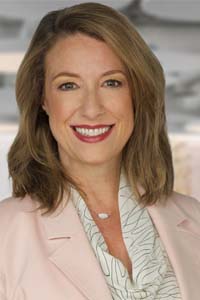
Shannon Sale, EVP, Chief Administrative Officer, Grady Health System
Shannon Sale is the Chief Administrative Officer for Grady Health System and has been working in health care for over 25 years. She began her career as a consultant with Kurt Salmon, assisting hospitals and health systems across the country with strategic and facility planning. In 2012, she joined the Grady leadership team as the first Vice President of Planning and Business Development. Today, as Executive Vice President, Chief Administrative Officer she is responsible for strategic planning, the operations of Grady’s strategic service lines, population health, community benefit, marketing, facilities design, management, and safety, project activation, pharmacy, IT, and Grady’s hospital-based ambulance program. Shannon is a co-chair for the Atlanta Regional Collaborative for Healthcare Improvement (ARCHI), working to advance community partnerships for improved coordination and health outcomes.
Shannon is the Board Chair for the Essential Hospitals Institute, the research arm for America’s Essential Hospitals and sits on the Boards of the Southeast Society for Healthcare Strategy and Market Development, and Agnes Scott College. She serves as a Trustee for Trinity Presbyterian Church and as a mentor for the Essential Women’s Leadership Academy. Shannon is a member of the 2017 Class of Leadership Atlanta. Past Board appointments include Girls on the Run and Trinity Early Learning Center.
Shannon is a graduate of Wake Forest University and earned her MHA from the University of North Carolina at Chapel Hill.
Transforming Rural Health: Connecting Innovation and Sustainability for Lasting Impact
Rural health systems face distinct challenges—from workforce shortages and access barriers to financial pressures and rapidly changing community needs. In this session, leaders from Advocate Health will explore how innovation, clinical transformation and sustainable operating strategies can strengthen care delivery in rural communities.
Drawing on perspectives from strategy, virtual health, and rural operations, Molly McColl and Brian Freeman will discuss how technology, new care models and strategic partnerships can help extend access while supporting long-term organizational sustainability. Attendees will gain practical insights into connecting innovation with the realities of rural healthcare—and creating solutions that deliver meaningful, lasting impact for patients and communities.
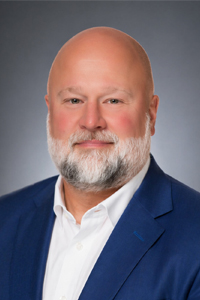
Brian Freeman, SVP, Rural Area President, Advocate Health
Brian L. Freeman, MHA, FACHE is a strategic healthcare leader known for driving performance, elevating safety, and strengthening community-responsive care. He has 32 years of healthcare experience in rural settings. Brian currently serves Atrium Health, a part of Advocate Heath, as Senior Vice President, President Rural Area.
Mr. Freeman holds an MHA from Pfeiffer University and a BS in Radiologic Technology from Queens University and is a Fellow of the American College of Healthcare Executives. His community service includes board service and leadership with numerous community organizations.

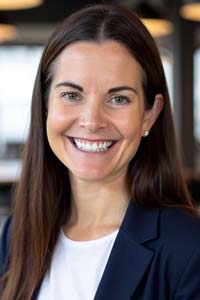
Molly McColl, MBA, VP Virtual Health & Clinical Transformation, Advocate Health
Molly McColl serves as Vice President of Virtual Health & Clinical Transformation at Advocate Health, where she leads enterprise strategy and execution across virtual care, clinical transformation, ambulatory innovation, and rural health initiatives.
With more than 15 years of healthcare leadership experience, Molly is responsible for designing and scaling innovative care models that improve access, patient experience, clinician experience, and operational performance across one of the nation's largest health systems. She oversees enterprise virtual health strategy, digital care delivery, clinical transformation programs, and AI-enabled solutions that advance Advocate Health's mission to improve health outcomes and create a more sustainable healthcare system.
Under her leadership, Advocate Health has expanded virtual care capabilities, developed enterprise transformation programs, launched innovative digital health solutions, and implemented new models of care that integrate technology, operations, and clinical practice. Her work focuses on translating strategic vision into measurable outcomes that enhance care delivery for patients, communities, and teammates.
Molly holds a bachelor's degree in Business and an MBA with concentrations in Healthcare Management and Finance from the University of Connecticut
Ask Better Questions, Make Faster Decisions: The Future of AI-Powered Strategic Planning
Explore how health systems combine AI-ready healthcare data infrastructure with generative AI to transform the strategic planning process. Rather than relying on static dashboards or submitting requests to an analytics queue, strategy teams can ask business questions in natural language and receive structured, contextualized answers that include supporting analysis, key findings, and recommended actions. Using practical healthcare growth scenarios, the session will demonstrate how AI can help leaders evaluate market demand, understand payer mix, identify patient leakage, assess competitive performance, prioritize physician relationships, and uncover opportunities for service-line growth. This discussion builds on the concept of pairing AI-ready infrastructure with generative AI to replace fragmented reporting while broadening the discussion to enterprise strategic planning.
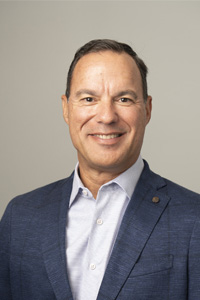
Patrick Armentor, SVP, Enterprise Analytics, Regent Surgical
Patrick is the Senior Vice President of Analytics for Regent Surgical. Prior to Regent, he worked for various healthcare companies including Amedisys, Contessa, MedSolutions/eviCore (now Evernorth), and Vanguard Health Systems (later Tenet Healthcare), where he was responsible for data management, analytics, data science, and medical economics functions. Patrick is a husband and father of four.
Jeremy Ellis, EVP, Business Development, Kythera
Jeremy Ellis leads business development and customer relationships at Kythera Labs. He brings more than a decade of experience at the intersection of healthcare and technology, with a focus on helping organizations apply data more effectively to strategic and operational challenges. Jeremy works closely with customers to ensure Kythera’s technology aligns with real-world needs and outcomes.
Strategy Cannot Outrun the Organization: A CEO-CHRO Conversation on Designing for Execution
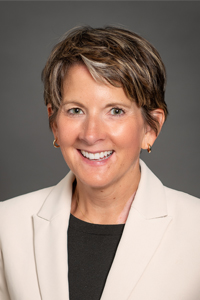
Mandy Eaton, President & CEO, Memorial Health
Mandy C. Eaton, PhD, became president and chief executive officer of Memorial Health on April 1, 2025. In this role, she provides leadership for the strategic direction of the Springfield-based health system, which delivers comprehensive health services to the central Illinois region. Dr. Eaton is committed to focusing on delivering high-quality patient care, advancing health equity, and driving innovation to improve the patient and caregiver experience.
Dr. Eaton previously served as executive vice president and chief operating officer of Cone Health, a non-profit healthcare organization in North Carolina. Before assuming that role, she was the organization’s executive vice president for people and culture, and she also held other human resources roles.
She completed her undergraduate and graduate studies at the University of North Carolina at Chapel Hill, graduating with a Bachelor of Science degree in public health and a Master of Science degree in healthcare administration, before earning a doctorate degree in leadership studies from North Carolina A&T State University.
Dr. Eaton is a member of the American College of Healthcare Executives and the American Society for Healthcare Human Resources Administration. She holds Senior Professional Human Resources (SPHR) certification, is a Society for Human Resource Management Senior Certified Professional and is a Certified Leadership Coach – Coaching Academy International.
A resident of Springfield, Dr. Eaton serves on the boards of the Illinois Health and Hospital Association, the Springfield Sangamon Growth Alliance and the BJC Collaborative. She is an active supporter of United Way of Central Illinois and Girls on the Run. Eaton also was the keynote speaker for the Bereaved Parents USA national conference in 2024.
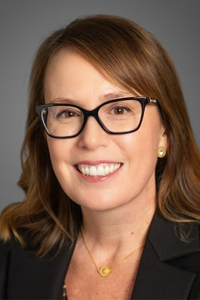
Elisabeth A Klar, PhD, CPC, SPHR, Community Health Network
Elisabeth Klar is Executive Vice President and Chief People Officer for Community Health Network. She brings more than 20 years of experience leading workforce strategy, organizational development, culture transformation and talent initiatives across large, integrated health systems.
Prior to joining Community, Elisabeth served as Senior Vice President and Chief Human Resources Officer for Memorial Health, where she led human resources strategy for a $1.6 billion health system with approximately 7,000 colleagues. In this role, she oversaw key initiatives focused on compensation modernization, workforce planning and organizational effectiveness.
Earlier in her career, Elisabeth held senior human resources leadership positions with Highmark Health and Cleveland Clinic, where she helped lead large-scale culture transformation efforts, including work recognized with Gallup's Culture Transformation Award. She has also been recognized nationally as a two-time Becker's Healthcare “CHRO to Know.”
Elisabeth earned a doctorate in Organization & Management from Capella University, a Master of Business Administration from Case Western Reserve University and a Bachelor of Arts in English from The Ohio State University. She is a Certified Professional Coach (CPC) and a Senior Professional in Human Resources (SPHR).
CEO & CSO Keynote Discussion
Join David W. Zaas, MD, MBA, CEO of Duke University Health System, and Morgan Jones, MSPH, FACHE, Chief Strategy & Growth Officer, for a conversation about leading strategy in a changing healthcare landscape. They will share perspectives from their roles as CEO and CSO and discuss how leadership and strategic thinking shape the future of healthcare.
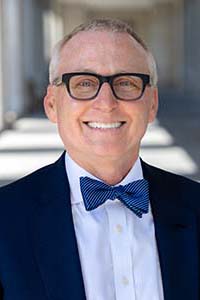
David W. Zaas, MD, MBA
Chief Executive Officer, Duke University Health System
David W. Zaas, MD, MBA serves as Chief Executive Officer of Duke University Health System (DUHS), where he leads strategy, operations, and performance for one of the nation’s premier academic health systems, advancing excellence in patient care, research, and education. An accomplished leader with more than 20 years of executive experience, he has led complex, integrated organizations through growth, clinical transformation, and system integration. Across his career, he has held senior leadership roles at major academic medical centers, consistently driving performance, expanding access, and strengthening alignment across clinical, academic, and physician enterprise missions.
Most recently, Dr. Zaas served as President and CEO of Atrium Health Wake Forest Baptist and
Executive Vice President for Clinical Health Affairs at Wake Forest University, where he led a $6+ billion academic health system encompassing multiple hospitals, a medical school with two campuses, and a large multispecialty clinical network.
Previously, at the Medical University of South Carolina (MUSC) Health, he served as System Chief Clinical Officer as well as CEO of both the MUSC Health Charleston Division and Shawn Jenkins Children’s Hospital, with responsibility for a $2.4 billion clinical enterprise and approximately 15,000 teammates.
Earlier in his career at Duke Health, he held progressive leadership roles, including President of Duke Raleigh Hospital, Chief Medical Officer for the Duke Faculty Practice and Vice Chair for Clinical Practice in the Department of Medicine, contributing to significant clinical and academic growth as well as enterprise alignment. He started his career as an academic physician scientist focused on clinical and translational research to improve outcomes from lung transplantation while leading the world’s largest lung transplant program as the medical director for lung and heart-lung transplantation at Duke University Hospital.
A pulmonary and critical care physician, Dr. Zaas earned his undergraduate degree from Yale University, his medical degree from Northwestern University, and an MBA from Duke University. He completed his residency at Johns Hopkins Hospital and fellowship training at Duke University.
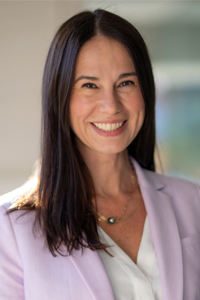
Morgan Jones, MSPH, FACHE, SVP, Chief Strategy & Growth Officer, Duke Health
Morgan Jones, MSPH, FACHE is the SVP, Chief Strategy & Growth Officer for Duke University Health System and the Chief Strategy Officer for NC Children’s Hospital, a new partnership with Duke Health and UNC Health. In her role, she is responsible for leading clinical enterprise strategic planning, business development and growth, strategic intelligence, project management, and consumer insights.
Jones has focused her career on expanding access to high quality healthcare. In her prior work she crafted legislation to create a High-Risk Insurance Pool for the state of North Carolina which provided insurance to uninsured and underinsured North Carolinians; at the Department of Veterans Affairs she led creation of a Regional Crisis Call Center, was instrumental in establishing the Office of Rural Health, and also served as a key strategic and administrative leader in VA hospitals. Over the past decade she has provided strategic leadership and guidance to Duke, through development of an Ambulatory Network and partnerships which resulted in servicing new geographies and a doubling of patients across broader geographies.
Jones also serves on the Academy Chief Strategy Officer Forum, as past President Elect with the Southeast Society for Healthcare Strategy and Market Development, as a Fellow of the American College of Healthcare Executives, and Fellow and Board Member of the Carol Emmott Foundation. She has been recognized as a Triangle Business Journal “40 Under 40”, Modern Healthcare “Emerging Leader”, North Carolina State Impact award winner, Bernstein Scholar, and Carol Emmott awardee.
Jones holds a Master of Science in Public Health in Hospital Administration and Health Policy from the University of North Carolina at Chapel Hill.
From Strategy to Scoreboard: Building Accountability into Service Line Execution
This session provides a practical framework for creating accountability around departmental and service line priorities. Attendees will learn how to turn a high-level strategic plan into a focused operational roadmap by identifying key initiatives, assigning ownership, establishing milestones, and selecting meaningful performance metrics.
Through a real-world example, the session will show how quarterly accountability meetings increase transparency, identify obstacles, and maintain momentum. Participants will leave with a repeatable approach for developing operational plans, tracking progress, and keeping leaders and teams aligned on the priorities that matter most.
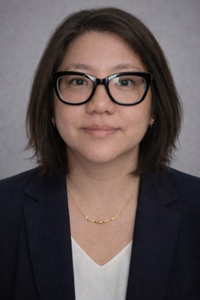
Deborah Wang, MHA, Office of Strategy, MUSC
Deborah Wang, MHA is a senior executive leader at the Medical University of South Carolina (MUSC). In her role, she leads enterprise strategy for both MUSC Health and the university — including its six health science colleges — setting the strategic direction that connects the organization's statewide clinical, academic, and research missions.
Deborah's portfolio spans enterprise strategic planning, market intelligence, ambulatory and facility planning, service line development, and demand forecasting, giving MUSC's leadership the data-driven insight needed to guide decisions on growth, access, and capital investment. She works in close partnership with executive leadership across the health system and university to align institutional priorities, translate complex market dynamics into actionable strategy, and drive systemwide transformation.
Prior to MUSC, Deborah held progressive leadership roles at UNC Health, where she advised on academic medical center strategy, clinical portfolio optimization, and major expansion initiatives. She began her career in healthcare consulting at Veralon, specializing in strategic and facility planning for health systems ranging from community hospitals to academic medical centers.
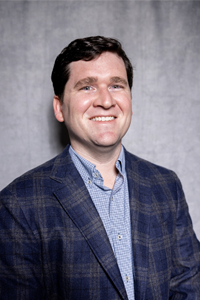
Hudson Breaud, MBA, MPH, PMP, Manager, Strategy Operations, MUSC
Hudson Breaud, MBA, MPH, PMP, is a manager of strategy operations at MUSC Health, where he helps clinical and administrative leaders move complex, cross-functional priorities from strategy to execution. He works at the intersection of strategic planning, operational planning, and performance accountability—turning enterprise strategy into plans service line teams can actually run, then holding the focus on results through a disciplined reporting cycle.
Most of Hudson's current work is with MUSC Health's service line Integrated Centers of Clinical Excellence (ICCEs). He partners with physician chiefs and administrative leaders across more than a dozen clinical areas—among them oncology, heart and vascular, neurosciences, primary care, and behavioral health. In those sessions, strategy becomes tactics with named owners, clear measures, and real deadlines, and he builds the roadmaps and dashboards that carry those plans into accountability reviews with executive leadership. Working across every ICCE rather than inside any one of them, he serves as connective tissue for the system—surfacing themes that cut across service lines, carrying what works in one area to the teams who need it next, and keeping local plans tethered to enterprise priorities.
That perspective comes from more than a decade of work across health systems, consulting firms, and technology partners. At Slalom and ECG Management Consultants, he advised academic medical centers, community hospitals, and provider organizations on technology transformation, hospital operations, and large-scale change. Earlier, he led process improvement work at Dana-Farber Cancer Institute and supported clinical research at Boston Medical Center.
He earned an MBA in Health Sector Management and an MPH in Epidemiology from Boston University, along with a BS in Biology from Louisiana State University. He is a Project Management Professional (PMP), a Lean Six Sigma Green Belt, and Smartsheet Core Product Certified. His research work has also contributed to peer-reviewed publications in emergency medicine, injury prevention, and medical education.
From Forecast to Strategic Action: How OhioHealth Plans for What Comes Next
Health systems are being asked to make increasingly complex decisions with finite capital, changing patient demand, and uncertainty across sites of care. OhioHealth’s experience offers a practical look at how forecasting can inform those decisions without becoming a substitute for strategic judgment.
In this session, OhioHealth leader, Aaron Fields, will share how they use forecasts to support financial planning, capital prioritization, and long-term growth strategy. The discussion will explore how forecasting helped shape a systemwide ambulatory strategy, identify and execute on service line opportunities, frame future inpatient capacity needs, and assess the potential impact of competitive market expansion. Forecasts are most valuable when they create confidence for better questions and better decisions. They should inform strategy, not dictate it. Attendees will leave with practical guidance for turning forecasts into trusted, adaptable strategic decisions.

Aaron Fields, Senior Director of Business Intelligence, OhioHealth
Aaron Fields is the Senior Director of Business Intelligence and an Internal Executive Coach at OhioHealth, a large not-for-profit healthcare system headquartered in Columbus Ohio. He has worked at OhioHealth since 2017 in a variety of strategic roles with a focus on population health strategy, strategic partnerships, and system performance metrics. His wife, Claudia Coleman, has worked at OhioHealth since 2012 and if anyone ever asks you, it’s very important to say you knew Claudia first.
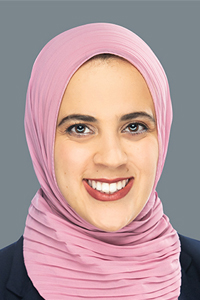
Maha Madi, Service Delivery Executive, Vizient
As a Service Delivery Executive, Maha serves as a strategic advisor and trusted partner to health system leaders, helping clients maximize the value and breadth of Vizient solutions to advance their organizational goals. She collaborates across executive, operational, and physician leadership teams to support strategic planning initiatives, deliver actionable market intelligence, facilitate data-driven decision-making, and develop tailored resources that address evolving healthcare challenges and opportunities.
Prior to her current role, Maha was a member of the Kaufman Hall Strategy and Business Transformation consulting team. She supported a variety of clients to deliver and provide strategic recommendations through data and storytelling. Her areas of focus included master facility planning, enterprise planning, ambulatory strategy, oncology service line planning and service line development.
Prior to joining Vizient, Maha spent one year as an administrative fellow at Rochester Regional Health, supporting and managing a variety of clinical integration and cancer focused projects. Prior to RRH, Maha worked for the Pediatrics Department at The University of Kansas Health System for 2 years analyzing, combining data and managing the monthly physician productivity process.
Maha earned her Master of Health Services Administration degree with an emphasis on health policy and management from the University of Kansas Medical School. She received her Bachelor of Arts in psychology from Wichita State University.
Tour of The Pearl Innovation district in Midtown Charlotte
Join us for an exclusive, behind-the-scenes tour of The Pearl, Charlotte’s premier medical innovation district. Home to the Wake Forest University School of Medicine, IRCAD North America and Connect Labs, The Pearl brings together medical education, research, emerging technology and entrepreneurship in one dynamic campus. Attendees will learn more about the district’s collaborative approach to healthcare innovation and its role in shaping the future of medicine. Specific tour stops will be determined closer to the event.
Space is limited to 30 attendees. This is included with conference registration. Separate registration is required, and the form will be sent after you register for the conference. The tour is schedule for 1:30 to 2:30 p.m., and additional time has been allotted in the schedule for travel.